Measure first, optimize second
Without numbers you're optimizing blind. A power meter plug (around 10-15 euros used) shows your real idle draw, which is the figure that matters in a homelab because the box runs 8,760 hours a year. Rule of thumb for yearly cost: watts × 8.76 = kWh/year, so at 0.30 euros/kWh every constant watt costs roughly 2.60 euros per year. A box pulling 100 W idle instead of 20 W therefore costs you about 210 euros more annually, often more than the used hardware is worth.
Thin client or mini PC over a 2U server
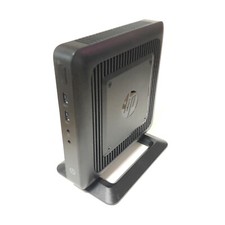
The platform is the biggest lever. A classic 2U rack server (Dell PowerEdge R-series, HP ProLiant DL) realistically idles at 80-120 W, plus fan noise. A used mini PC (Dell OptiPlex Micro, Lenovo ThinkCentre Tiny, HP EliteDesk Mini, from 50-90 euros) or a thin client (Fujitsu Futro S920, Dell Wyse) sits at 8-25 W idle and comfortably handles Proxmox, Pi-hole, Home Assistant, or a handful of Docker containers. For most homelabs this is the honest recommendation: 90% of workloads don't need a Xeon with 128 GB of ECC.
SSDs instead of a stack of HDDs
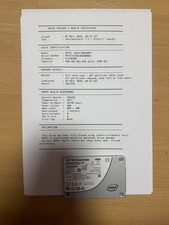
Every spinning HDD draws 5-8 W idle, more under load. Four drives quickly add up to around 30 W just for storage. Where you don't need huge capacity, a single SATA or NVMe SSD replaces the whole stack at well under one to a few watts, and runs silently on top. A sensible NAS compromise: an SSD for the OS and hot data, plus one or two large HDDs purely for cold archive, spun down when idle. That way you only pay for the spindles that genuinely need to turn.
Consolidate instead of a device zoo
Three separate Raspberry Pis, an old NAS, and a standalone router PC often draw more combined than a single efficient mini PC virtualizing everything via Proxmox or Docker. Every power supply has its own losses, every device its own idle floor. One host with 16-32 GB of RAM running five VMs or containers almost always beats the device zoo, both on power draw and on management overhead. When buying, look for an efficient PSU (on classic ATX builds, 80 Plus Gold or better); the external bricks on mini PCs are usually frugal anyway.
Don't oversize the UPS
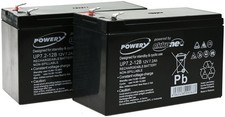
A UPS is there to allow a clean shutdown during an outage, not to bridge for hours. Oversized units cost more and run less efficiently at partial load due to self-consumption and conversion losses. For a 30-50 W homelab, a small line-interactive UPS at 350-650 VA is plenty; it buys you a few minutes, enough for a clean shutdown via NUT. Buying used, always check the battery health, since the battery is the wear part and often due for replacement after 3-5 years.